Mid Atlantic Turtle and Tortoise Society (MATTS)
  • Main
  • About
    • Our Mission
    • Our Impact
    • Our Board
  • Adoptions
    • Success Stories
    • Adoption Program
    • Our Process
    • Adoptable Animals
    • Rehoming Your Turtle
  • Events
    • MATTS Meetings
    • Festivals and Expos
  • Species
    • African Sulcata
    • African Sideneck turtle
    • Box Turtles
    • Painted Turtles
    • Red-Eared Sliders
    • Red & Yellow Foots
    • Russian Tortoises
    • Snapping Turtles
  • Resources
    • Habitat
    • Health
    • Handling
    • Helping Injured Turtles
    • Transporting Turtles
    • Other Turtle Groups
    • Food, Supplies, Equipment
    • Linktree - many resources
  • How to Help
    • Become a Member
    • Volunteer
    • Donate
  • Laws and Regulations
    • Delaware
    • District of Columbia
    • Maryland
    • New Jersey
    • Pennsylvania
    • Virginia
  • MATTS Store
  • More
    • Main
    • About
      • Our Mission
      • Our Impact
      • Our Board
    • Adoptions
      • Success Stories
      • Adoption Program
      • Our Process
      • Adoptable Animals
      • Rehoming Your Turtle
    • Events
      • MATTS Meetings
      • Festivals and Expos
    • Species
      • African Sulcata
      • African Sideneck turtle
      • Box Turtles
      • Painted Turtles
      • Red-Eared Sliders
      • Red & Yellow Foots
      • Russian Tortoises
      • Snapping Turtles
    • Resources
      • Habitat
      • Health
      • Handling
      • Helping Injured Turtles
      • Transporting Turtles
      • Other Turtle Groups
      • Food, Supplies, Equipment
      • Linktree - many resources
    • How to Help
      • Become a Member
      • Volunteer
      • Donate
    • Laws and Regulations
      • Delaware
      • District of Columbia
      • Maryland
      • New Jersey
      • Pennsylvania
      • Virginia
    • MATTS Store
Mid Atlantic Turtle and Tortoise Society (MATTS)
  • Main
  • About
    • Our Mission
    • Our Impact
    • Our Board
  • Adoptions
    • Success Stories
    • Adoption Program
    • Our Process
    • Adoptable Animals
    • Rehoming Your Turtle
  • Events
    • MATTS Meetings
    • Festivals and Expos
  • Species
    • African Sulcata
    • African Sideneck turtle
    • Box Turtles
    • Painted Turtles
    • Red-Eared Sliders
    • Red & Yellow Foots
    • Russian Tortoises
    • Snapping Turtles
  • Resources
    • Habitat
    • Health
    • Handling
    • Helping Injured Turtles
    • Transporting Turtles
    • Other Turtle Groups
    • Food, Supplies, Equipment
    • Linktree - many resources
  • How to Help
    • Become a Member
    • Volunteer
    • Donate
  • Laws and Regulations
    • Delaware
    • District of Columbia
    • Maryland
    • New Jersey
    • Pennsylvania
    • Virginia
  • MATTS Store

HELPING AN INJURED WILD TURTLE

Find a Rehabber

It's a dangerous world out there for a wild turtle
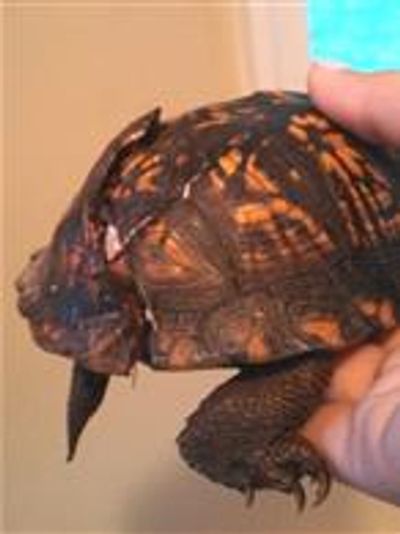
Types of Injuries

Unfortunately, wild turtles and tortoises can encounter a variety of situations that can cause harm. Here are some of the incidents you might find:

  • Run over by a car or boat
  • Encounter with a predator or household pet 
  • Issues with farm or lawn equipment
  • Ingesting plastics
  • Entanglement with fishing nets or trash


The Clock Is Ticking...

It can be deceiving because a gravely injured turtle or tortoise may appear to be alert and even be moving around on its own. Mistakenly waiting to see if the turtle can get better on its own is usually a death sentence for the animal. Because of their resilient nature, a turtle with mortal injury, infection or infestation can linger painfully for days or even weeks before dying. Professional healthcare means that humane euthanasia can be provided if necessary, after an assessment of the turtle's chance of recovery.

How To Help

The actions you take in those next few hours determine whether the turtle or tortoise might live. Locate a veterinarian or licensed rehabilitator experienced in working with turtles. Many vets have a "Good Samaritan" policy and will treat wild animals without a cost, and you won't be financially penalized for "doing the right thing." Even if you are convinced the turtle won't survive, a trip to the vet for humane euthanasia prevents a slow and painful death.

Find a Wildlife Rehabber or Veterinarian

The best way to help an injured turtle or tortoise is to get them to someone who can provide medical help. Use these resources to find the right person near you.

  • Find a vet with reptile and amphibian expertise
  • Find a Wildlife Rehabilitator
  • Find a Mid-Atlantic Rehabilitator


The Reality of Injured Turtles and Tortoises

  • Once the skin or shell is breached, bacteria attacks. The vet will likely put the turtle on a systemic antibiotic so that it doesn't become septic.


  • If the shell is fractured, it needs to be stabilized. This often involves wiring the shell in place so that the vet can keep an eye on potential infection during the healing process.


  • A broken shell exposes delicate internal tissue to desiccation - drying out - and desiccated tissue dies and cannot be regenerated. It must be derided or surgically removed by the vet. Depending on the extent and location of the tissue, the turtle may not be able to recover. Quick treatment limits this critical complication.


  • A wounded turtle can be the victim of myiasis or "fly strike," as fly larvae (maggots) hatch in as little as 24 hours in the open wound and begin eating away at the turtle's flesh, releasing toxins. Often this is not visible to the layperson, hidden beneath the turtle's shell. Such infestations can, in themselves, be fatal.

Protecting Turtle Nests

How to Build a Turtle Nest Protector

A step-by-step tutorial on how to build your own turtle nest protector with wooden sides!

How To Make A Turtle Nest Protector Cage

In this video, you'll learn how to make a nest cage protector to protect vulnerable turtle eggs in their nest. If you live in an urban area/rural area but near towns and settlements, and a turtle has laid eggs on your property, you can build a nest cage protector to save the nest from predators. 

  • Adoption Program
  • FAQs
  • Videos
  • Contact Us
  • MATTS Store

Mid-Atlantic Turtle and Tortoise Society (MATTS)

P.O. Box 341, Highland, MD 20777

 © 2025 Mid-Atlantic Turtle and Tortoise Society (MATTS) - All Rights Reserved.

This website uses cookies.

We use cookies to analyze website traffic and optimize your website experience. By accepting our use of cookies, your data will be aggregated with all other user data.

Accept